DYP FUTURE SKILLS

Give learners the confidence to build the future.

A complete, age-appropriate learning system for robotics, coding, AI literacy and engineering thinking—not a box of kits.

Explore this work
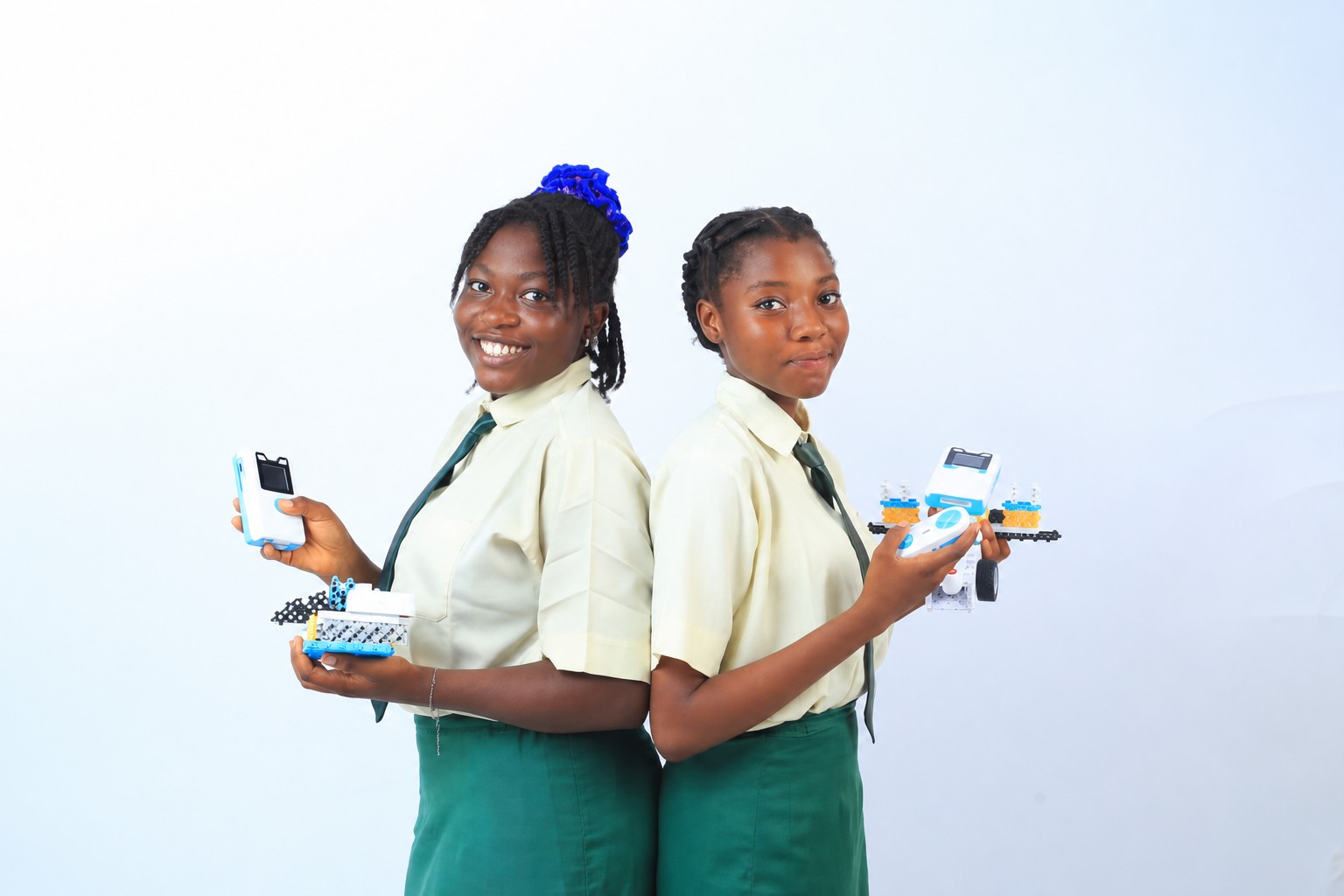
Nigerian students presenting unbranded robotics projects08
DISCOVER · DIAGNOSE · DESIGN · DEVELOP · DEPLOY · MEASURE & ADAPT · DISCOVER · DIAGNOSE · DESIGN · DEVELOP · DEPLOY · MEASURE & ADAPT · DISCOVER · DIAGNOSE · DESIGN · DEVELOP · DEPLOY · MEASURE & ADAPT · DISCOVER · DIAGNOSE · DESIGN · DEVELOP · DEPLOY · MEASURE & ADAPT ·
THE OPPORTUNITY

Technology learning that works in real classrooms.

Learning journeys, educators, equipment, time, safety, assessment and leadership are designed as one model.

THE PURPOSE BEHIND THE TOOLS

Why teach Robotics, AI and Coding?

The goal is not to chase technology trends. It is to help young people understand how technology works, think critically and develop the confidence to create solutions—not remain only consumers of other people’s ideas.

01

Why Robotics?

Robotics turns abstract ideas into something learners can design, build, test and improve. It brings science, mathematics, engineering, creativity and teamwork together around a visible challenge.

FOR PARENTS

Robotics helps children become confident problem-solvers. They learn that an unsuccessful first attempt is useful feedback—not failure—and practise patience, teamwork, communication and responsible use of technology.

02

Why AI?

Artificial intelligence already shapes information, work and public life. Learners need enough understanding to use it thoughtfully, question its outputs and imagine responsible applications for their communities.

FOR PARENTS

AI literacy helps children understand that intelligent tools can be useful without always being correct or fair. They learn to protect personal information, verify answers, recognise bias and use AI to support—not replace—their own judgment and creativity.

03

Why Coding?

Coding teaches learners how to break a problem into steps, express instructions precisely, test assumptions and improve a solution. It is both a practical skill and a disciplined way of thinking.

FOR PARENTS

Coding develops logical thinking, persistence and creativity. Even when a child does not become a software developer, learning how digital systems are built gives them confidence to participate in a technology-shaped world.

The DYP position

These subjects create value when learning outcomes, educator capability, equipment, time, safeguarding, assessment and sustainability are designed together. A box of devices is a starting resource—not an education strategy.

“

The future will not only belong to technology users. It will belong to technology builders.

OPEN THE DETAIL

Explore how it works.

Tap each question. Information appears when you ask for it—not before.

Playful logic, sequencing, cause and effect, physical programming and foundational building skills.

Graphical programming, simple machines, teamwork and guided robotics projects.

Engineering design, sensors, control, algorithms, Python and C++ foundations, AI concepts and capstones.

Embedded systems, advanced robotics, applied projects and pathways into technology careers.

PAUSE & CHOOSE

If your learners could build one solution for their community, what should it solve?