
Learning routines
Build reflection, review and adaptation into delivery meetings so evidence changes what teams do next.
Discuss this with DYP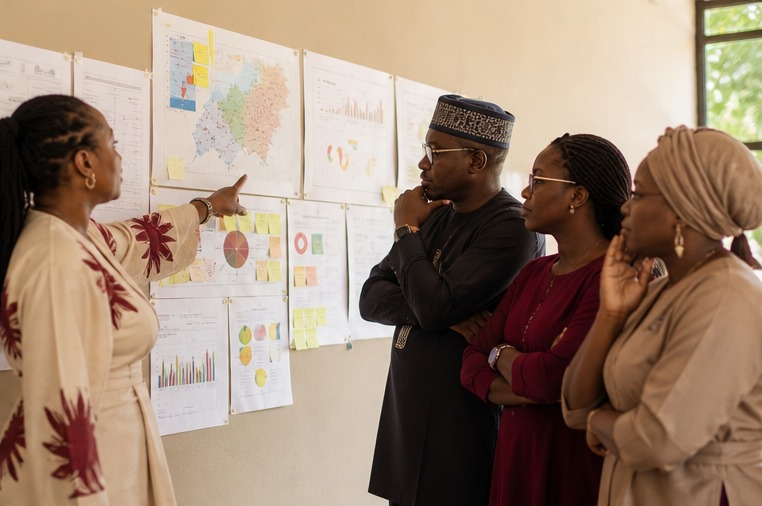
Collect less data if that helps the organisation use more evidence.
The strongest evidence systems connect outcomes, implementation, beneficiary experience, cost and decision-making without collecting data that nobody uses. Within that wider work, learning routines creates a focused route from intention to capable practice.
The work behind the outcome.
- 01Create a cadence for interpreting evidence together.
- 02Separate explanation from defensiveness.
- 03Record adaptations, decisions and responsible owners.
- 04Return to earlier assumptions as conditions change.
From clarity to ownership.
The precise scope changes with context. The discipline does not.
practiceOWNERSHIP
What decisions must the system support?
Start with management, programme, funding and scale decisions so every measure has a clear reason to exist.
What is proportionate?
Match the evidence approach to programme maturity, risk, resources and the consequences of getting the decision wrong.
How will teams learn?
Create regular moments to interpret patterns, test assumptions, document adaptations and assign follow-through.
How will credibility be protected?
Use clear definitions, consistent tools, data-quality checks, transparent limitations and triangulation where it matters.
What the engagement can leave behind.
Outputs are selected for the decision and operating context—not produced for volume.
- Theory of change and measurement plan
- Practical tools and data-quality process
- Decision-focused dashboard or learning product
- Learning cadence and ownership map
Begin the conversation with what matters.
01What decision is your current reporting unable to support?
02What must be true for this to work consistently?
03Who needs the authority and capability to carry it forward?